

Boiler Tube Supplier
EXTENSIVE INVENTORY: R-S Matco is your single solution when looking for a dependable boiler tube supplier. As a distinguished distributor of all major domestic and international tube mills, we are a leader when it comes to your high pressure boiler tubing needs. Our employees are veterans of the power generation industry and we understand the complexity of purchasing boiler tubing. Simply put, we understand down time is expensive. Our sole purpose is supplying all of your boiler tubing needs. Through intricate analysis of market trends we maintain one of the most extensive boiler tube inventories in the world.
Industries Served:
- Heat Recovery Steam Generation (HRSG)
- Power Generation
- Industrial & Commercial Boilers
- Pulp & Paper Industry
- Sugar Mills
- Waste Heat
- Petrochemical
Click here for a comprehensive list of our inventory and ASTM/ASME tubing specifications.
PROJECT MANAGEMENT
Let us save you money on your next retrofit. In addition to standard stock sales, R-S Matco is your source for the “material side” of planned outages!
Tubing Resource Guide
We have also created a tubing resource guide, an amazing training tool for our customers to use.
SALES TEAM EXPERTISE
At R-S Matco we pride ourselves on customer satisfaction. You can be assured that our knowledgeable sales team will provide quick turn around on quotations. Have a question on your specifications? No problem, our product specialists are there to help solve all your boiler tubing needs.
ON CALL 24/7
With fossil powered plants, forced outages and boiler tube emergencies can happen at any hour. R-S Matco maintains a 24-hour emergency hot line to meet after hour boiler tube requirements. Simply call direct to our office and you will be immediately transferred to our on call representative.
Facilities & Services
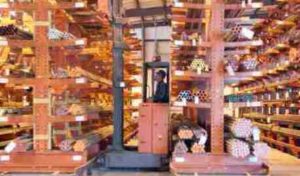
Extensive Indoor Facilities
All boiler tubing is kept in our indoor storage facilities to ensure it arrives to your location in pristine condition. In addition to our standard stock sales, we provide Project Management Services and Strategic Stocking Programs. Please inquire with our Sales Team for additional information.
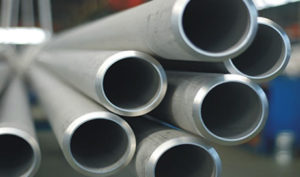
Beveling & Cutting
Need boiler tubes prepped for field welding or cut to length? RS Matco can provide OD beveling and cut your boiler tubes to any length needed.
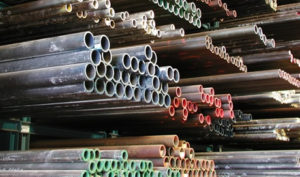
Special Marking & Stenciling
All boiler tubing will have a continuous stencil per ASTM specifications. In addition to required ASTM stenciling requirements, RS Matco can stencil your Purchase Order # and Item # on your boiler tubing.
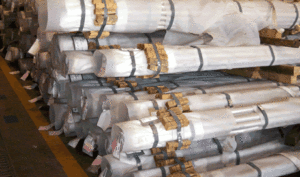
Special Packaging
Need special packaging for your Boiler Tubes? RS Matco can supply wood blocking, crating, capping and wrapped ends.